_edit.png)
Essential Tips for Setting Up Your First Apiary: A Beginner Beekeeper's Guide©

Updated: Feb 23
Starting your own apiary can be an exciting and rewarding experience. Beekeeping not only
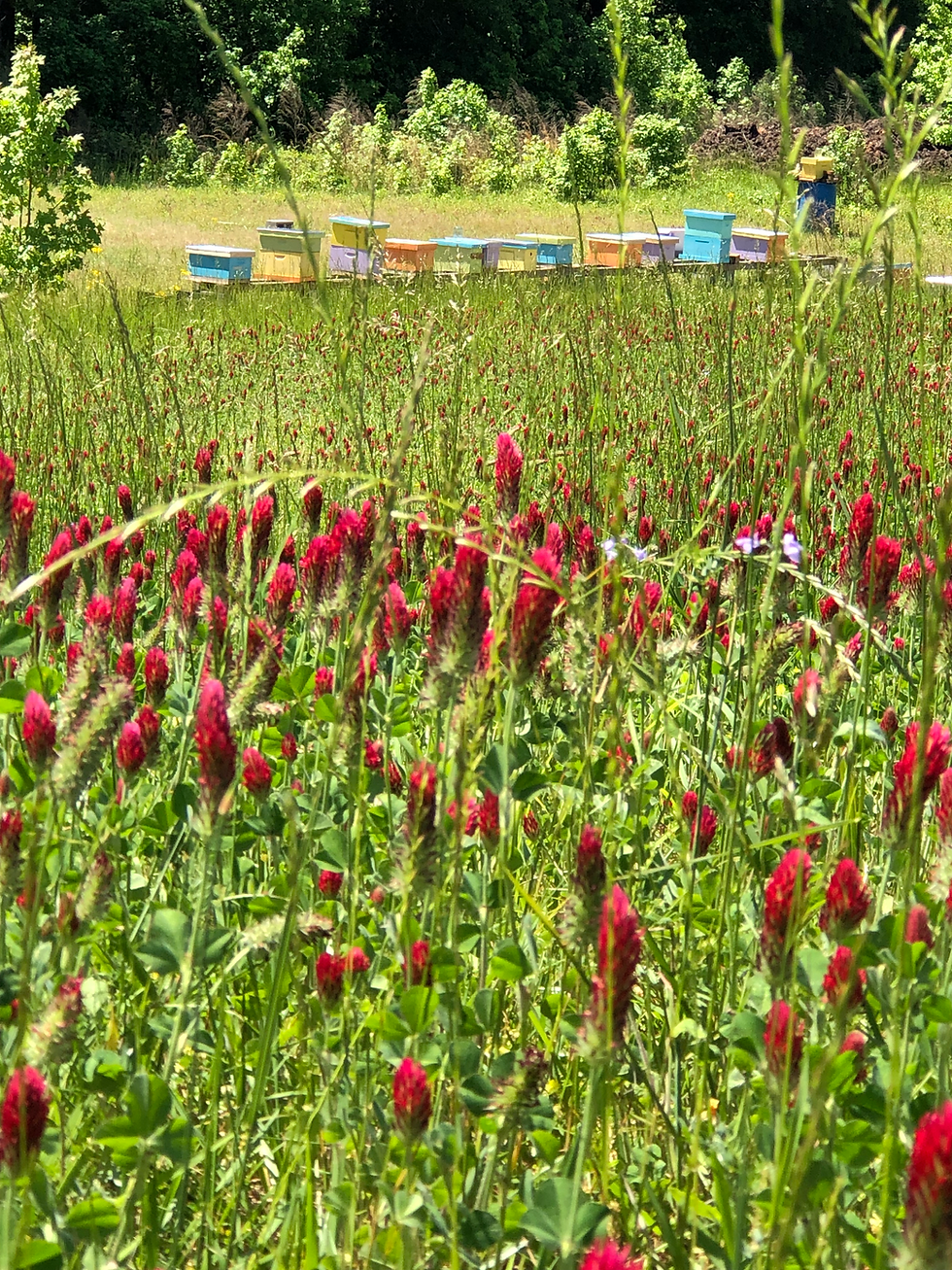
supports local ecosystems but also offers the chance to harvest your own honey and beeswax. However, setting up a new apiary requires careful planning, especially when it comes to choosing the right location for your hives. The success of your bees depends largely on where you place their home.
This guide will walk you through the key considerations for hive placement, helping you create a safe, productive, and neighbor-friendly apiary.
Choosing the Ideal Location for Your Apiary
Selecting the right spot for your hives is the foundation of successful beekeeping. Bees thrive when their environment meets certain conditions. Here are the most important factors to keep in mind:
Convenient access
Choose a location where it’s easy to move your equipment. Hive boxes and honey supers can be heavy. Using a garden cart or wagon makes moving them much easier. Try to set up your hive somewhere you can roll a cart right up to it. Since honey supers can weigh 30 to 50 pounds, carrying them can be tough. It’s best to avoid areas with stairs or steep, uneven paths.
Selecting a hive stand
A hive stand should be placed on solid ground and be robust enough to hold several hundred pounds per hive while withstanding outdoor conditions. There are many commercially available options, or you can construct one using basic building materials. A typical method involves using concrete cinder blocks and pressure-treated 4x4 posts. However, 4x4 posts often twist and warp, which can cause unstable hives when the boxes are stacked. My favorite option is a rectangular frame made from pressure-treated 2x6s or 2x8 on cinder blocks, which remains stable over time and is cost-effective.

Access to a Reliable Water Source
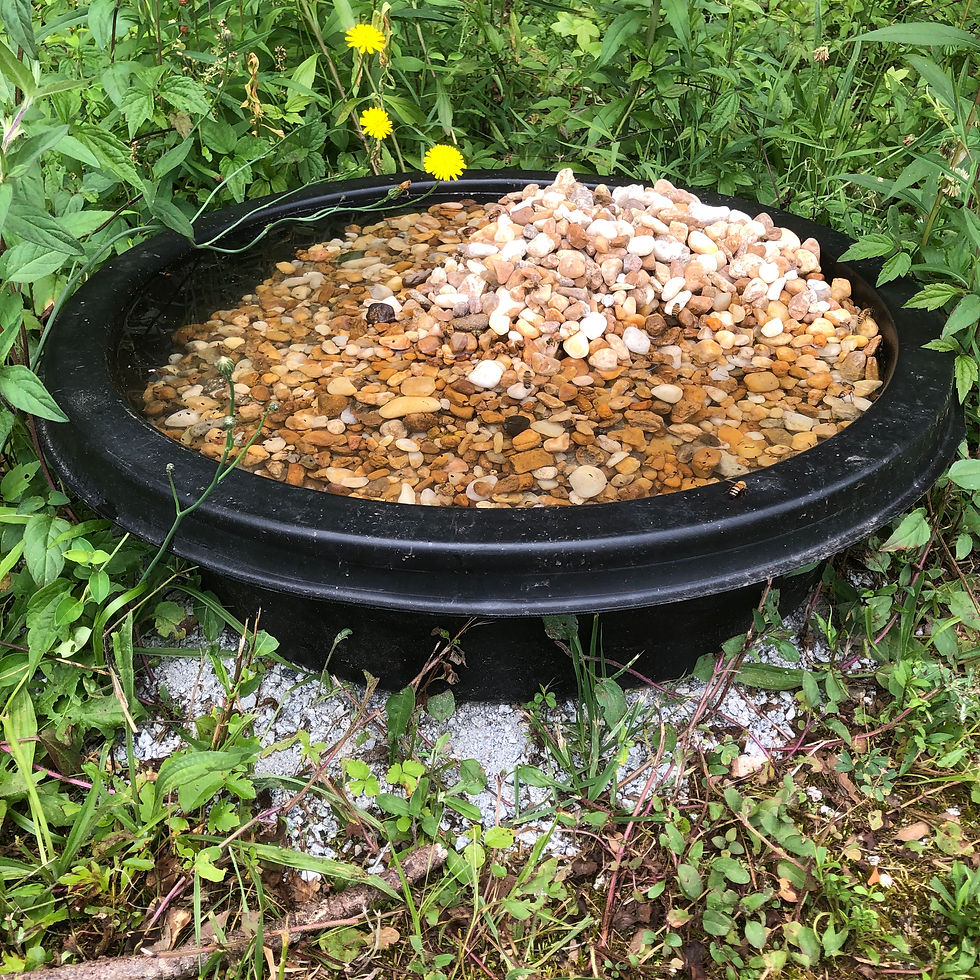
Bees need water for hydration, cooling the hive, and feeding larvae. Ideally, your apiary should be
within a few hundred feet of a clean water source such as a pond or stream. If natural water is not nearby, you can provide a bird bath or shallow water tub with mounded pebbles or floating materials like corks, slices of pool noodle, or blocks of untreated wood to prevent drowning.
Plenty of Morning Sunlight
Bees are more active and productive when their hives receive morning sun. Early sunlight helps warm the hive, encouraging bees to start foraging earlier in the day. Aim for a location that gets at least 6 hours of direct sunlight, especially in the morning. Avoid areas that remain shaded for most of the day.

Protection from Strong Winds

Gusty winds can really stress out bees and make flying tough for them. In open areas without protection, strong winds might even knock over their hive boxes. To help out, place your hives near natural or man-made windbreaks, such as tree lines, hedges, fences, or buildings. These barriers reduce winter winds and help keep the hive temperature steady. A valuable lesson I learned is ratchet straps are my friend-lol.
Avoiding Low, Damp, and Shaded Areas
Certain locations can create problems for your bees. Here’s what to avoid:
Low-lying spots tend to collect cold air and moisture, increasing the risk of dampness inside the hive. Damp conditions can lead to mold growth and weaken the colony.
Shaded areas keep hives cooler and slow down bee activity. Bees prefer warmth, so avoid placing hives under dense tree canopies or in deep shade. Small Hive Beetles can be a problem for honey bees, flourish in shaded areas, and add stress to the bees.
Areas prone to flooding or standing water can drown bees and damage hive equipment.
Choosing a well-drained, elevated site with good air circulation will help keep your bees healthy.
Considering Neighbors and Nearby Amenities
Beekeeping can affect those around you, so it’s important to think about your neighbors and nearby facilities:
Respecting Neighbor Concerns

Not everyone is comfortable around bees. Talk to your neighbors before setting up your apiary. Explain your plans and how you will manage the hives responsibly. Placing hives away from property lines and common walkways reduces the chance of unwanted encounters. Sharing a bottle of honey is a welcome, friendly gesture.
Distance from Swimming Pools and Play Areas
Bees are attracted to water, so pools and splash pads can attract them. Keep hives as far as possible from swimming pools, playgrounds, or outdoor seating areas to minimize bee activity near people.
Managing High Foot Traffic Areas
Avoid placing hives near busy paths, driveways, or entrances where people frequently pass by. High foot traffic can disturb bees and increase the risk of stings. If your only option is a high-traffic area, consider installing a flight path barrier such as a tall fence or dense shrubs to direct bees upward and away from people.
Understanding Local Rules and Regulations
Before you start, check if your neighborhood has any rules about beekeeping:
Homeowners Association (HOA) guidelines often regulate or restrict beekeeping. Some HOAs require permits or limit the number of hives.
City or county ordinances may set rules on hive placement, hive numbers, or require registration.
State laws sometimes include specific beekeeping regulations.
Contact your local extension office or beekeeping association for guidance. Following these rules helps avoid conflicts and ensures your apiary is compliant.
Practical Tips for Setting Up Your Apiary
Here are some actionable steps to help you get started:
Choose a flat or gently sloping site to prevent water pooling around the hive.
Orient hive entrances to face southeast or east to catch the morning sun and avoid prevailing winds.
Place hives on stands or pallets to keep them off damp ground and reduce pest problems.
Create a clear flight path for bees by trimming tall grass or plants in front of the hive.
Use natural barriers such as hedges or fences, to protect hives from wind and to direct bee flight paths.
Keep the apiary tidy and accessible for easy hive inspections and maintenance. Tall weeds or grass can provide ticks and snakes a place to hide.
Final Thoughts on Starting Your Apiary

Setting up your first apiary takes thoughtful planning, especially when choosing the right location. A well-placed hive supports healthy bees, productive colonies, and good relationships with neighbors. Focus on finding a sunny, dry spot near water, protected from wind and with minimal foot traffic.


Great info! Thanks for sharing and supporting new beekeepers.